
So, you’re curious about the music that truly defines America? You want to know which sounds didn’t just entertain, but actually carved out the very fabric of our national identity? Well, you’ve come to the right place. From the soulful cries of the Delta to the electric energy of urban streets, a handful of American music genres have done far more than just top the charts; they’ve been instrumental in shaping our culture, our conversations, and how we see ourselves as a nation. Let’s dive into the top 10 genres that truly made a difference.
The Roots of American Music
Before we get into the specifics, it’s worth remembering that American music is a melting pot, much like the nation itself. Each genre we’re about to discuss isn’t a standalone creation but rather a rich tapestry woven from diverse cultural threads, historical events, and the everyday experiences of people living through them. Understanding these foundational elements helps us appreciate the depth and impact of each musical style.
Blending Traditions and Innovation
American music, from its very inception, has been a story of blending. African rhythms and melodies, European folk traditions, and indigenous sounds all contributed to a unique sonic landscape. Over time, new instruments, evolving social structures, and technological advancements allowed these initial influences to morph into something entirely new and distinctly American.
Music as a Historical Record
More than just entertainment, these genres often served as a historical record. They captured the struggles, triumphs, hopes, and anxieties of different communities at different times. Listening to them isn’t just about enjoying a beat or a melody; it’s about connecting with the past and understanding the journey of a nation.
American music genres have a rich and diverse history, reflecting the cultural melting pot of the nation. For those interested in exploring the evolution of these genres, a related article titled “Lost and Found” delves into the forgotten sounds and influences that have shaped contemporary music. You can read more about it here: Lost and Found. This article provides insights into the lesser-known artists and styles that have contributed to the vibrant tapestry of American music.
Top 10 Genres That Forged America’s Sound
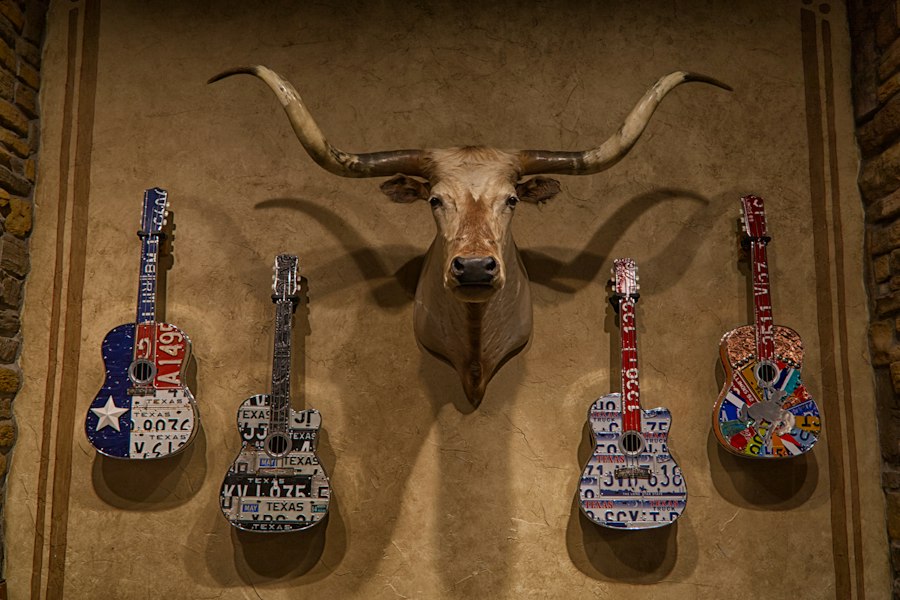
Let’s get down to the brass tacks. These are the genres that, through their innovation, widespread influence, and cultural significance, have left an indelible mark on America’s musical and social landscape.
1. Blues
Originating in the African American communities of the Southern United States, particularly the Mississippi Delta, the Blues is undeniably one of the most foundational American music genres. Its roots lie in spirituals, work songs, and field hollers, reflecting the hardships and resilience of formerly enslaved people and their descendants. The distinctive call-and-response patterns, melancholic lyrics, and use of bent notes and vibrato on instruments like the guitar and harmonica give it an unmistakable emotional depth.
The Blues wasn’t just music; it was a way to express profound sorrow, longing, and hope. It provided a voice for the voiceless and became a powerful narrative of the African American experience. Without the raw, unvarnished emotion of the Blues, much of what came after simply wouldn’t exist. It’s the bedrock.
2. Jazz
Born in New Orleans in the late 19th and early 20th centuries, Jazz is often called America’s classical music. It’s a complex, improvisational, and highly expressive genre that fused African rhythms and European harmonies with the spirit of the Blues. Early Jazz featured collective improvisation, syncopated rhythms, and a vibrant energy that was unlike anything heard before.
From Dixieland to Swing, Bebop to Cool Jazz, the genre constantly evolved, attracting brilliant musicians who pushed boundaries. Jazz became a symbol of American innovation and freedom, influencing everything from classical composition to popular song. It crossed racial divides, bringing diverse audiences together in clubs and dance halls, and became a global ambassador for American culture.
American music genres have evolved significantly over the years, reflecting the diverse cultural influences that shape the nation. From the soulful rhythms of blues to the energetic beats of hip-hop, each genre tells a unique story of its roots and development. For a deeper understanding of the impact of these genres on contemporary music, you might find this article on the journey of Maestro Sersea particularly insightful. It explores how various musical styles intertwine and influence one another, showcasing the rich tapestry of American music. You can read more about it here.
3. Country Music
Hailing from the rural South and Appalachia, Country music tells the stories of everyday life: love, loss, hardship, and community. Its roots are in folk music, Irish and Scottish ballads, gospel, and the Blues. Early forms, often called “hillbilly music,” featured acoustic instruments like the guitar, banjo, fiddle, and mandolin, with clear, often narrative vocals.
From the Grand Ole Opry to Nashville’s thriving music industry, Country music grew to represent a significant slice of American identity, particularly for working-class white audiences. It evolved through various subgenres like Honky Tonk, Bluegrass, and Outlaw Country, always maintaining a strong connection to storytelling and traditional American values, even as it embraced modern sounds.
4. Rock and Roll
Emerging in the 1950s, Rock and Roll was a seismic cultural shift. It fused elements of rhythm and blues, country, and gospel, driven by electric guitars, drums, and a rebellious spirit. Artists like Elvis Presley, Chuck Berry, and Little Richard challenged social norms, and their music became the soundtrack to a new youth culture.
Rock and Roll wasn’t just a genre; it was a movement. It broke down racial barriers, as white teenagers embraced music primarily created by Black artists. It championed individualism and questioned authority, profoundly impacting fashion, language, and social attitudes. Its sheer energy and defiance made it a defining sound of mid-20th-century America, and it continues to evolve and influence new generations.
5. R&B/Soul
Rhythm and Blues (R&B) developed in the 1940s from the blues, jazz, and gospel traditions, characterized by strong rhythms, often a prominent saxophone, and expressive vocals. By the late 1950s and 60s, R&B evolved into Soul music, a genre that infused gospel passion with secular themes of love, joy, and pain. Labels like Motown, Stax, and Atlantic became powerhouses, producing superstars like Aretha Franklin, James Brown, and Marvin Gaye.
Soul music was incredibly significant for the Civil Rights Movement, providing anthems of hope, solidarity, and empowerment. It spoke to universal human experiences with incredible sincerity and emotional depth, crossing racial lines and becoming a cornerstone of popular music globally. Its influence on pop, hip-hop, and even rock is immeasurable.
6. Folk Music
While elements of folk music are woven into many genres, the distinct American Folk Revival of the mid-20th century, led by figures like Woody Guthrie and Pete Seeger, and later Bob Dylan and Joan Baez, gave it immense power. This genre focused on storytelling, often with a social or political message, performed with acoustic instruments and direct, unadorned vocals.
Folk music became the soundtrack to social change, advocating for civil rights, labor rights, and peace. It tapped into a deep tradition of oral history and collective memory, providing a platform for dissent and community building. Its stripped-down honesty and focus on lyrical content ensured its messages resonated deeply with audiences looking for meaning and connection.
7. Gospel Music
Gospel music, with its origins in the spirituals sung by enslaved Africans in America, is profoundly influential. It developed within Black churches, evolving with powerful vocal harmonies, call-and-response patterns, and fervent expressions of faith. Later, it incorporated elements of blues and jazz, becoming a vibrant and uplifting genre.
Gospel’s impact extends far beyond religious services. Its vocal techniques, harmonies, and emotional intensity heavily influenced R&B, Soul, and even Rock and Roll. Many iconic American singers, both secular and sacred, began their careers in the church, bringing that powerful gospel sensibility into mainstream music and imbuing it with a unique spiritual depth.
8. Hip-Hop
Emerging from the Bronx, New York, in the 1970s, Hip-Hop is arguably one of the most transformative cultural movements of the late 20th century. It began as a form of street art, featuring MCing (rapping), DJing (turntablism), breakdancing, and graffiti art. Rapping, the rhythmic spoken word over a beat, quickly became its defining musical element.
Hip-Hop provided a powerful voice for urban youth, often addressing social inequality, poverty, and racial injustice. It documented life in the inner cities with raw honesty and creative flair, evolving rapidly from party anthems to politically charged narratives. Its innovative use of sampling, unique lyrical flows, and undeniable swagger made it a global phenomenon, profoundly influencing fashion, language, and all forms of popular music.
9. Bluegrass
A subgenre of Country music that developed in the 1940s, Bluegrass is distinctive for its fast tempos, virtuosic instrumental solos, and high, lonesome vocal harmonies. Led by Bill Monroe and his Blue Grass Boys, the genre emphasizes acoustic instruments – typically the banjo, fiddle, mandolin, guitar, and upright bass – played with incredible precision and speed.
Bluegrass represents a specific, highly skilled branch of American roots music. It maintains a strong connection to Appalachian traditions while demanding exceptional musical proficiency. Its influence can be heard in various forms of acoustic music, Americana, and even some rock and country acts, contributing a unique blend of technical mastery and heartfelt rural storytelling.
10. Disco
While sometimes dismissed as purely commercial, Disco, which surged in popularity in the 1970s, played a crucial role in shaping American nightlife, fashion, and social dynamics. Characterized by a strong, often four-on-the-floor beat, prominent basslines, orchestral arrangements, and soaring vocals, Disco was designed for dancing.
Emerging from Black, Latinx, and LGBTQ+ club scenes, Disco provided a vibrant space for marginalized communities to express themselves and celebrate. It challenged traditional gender roles and sexual norms, offering an inclusive environment at a time when much of society was less accepting. Despite its eventual backlash, Disco’s influence on dance music, pop, and electronic music is undeniable, laying groundwork for future genres and contributing to a more diverse and accepting nightlife culture.
The Enduring Legacy and Interconnectedness
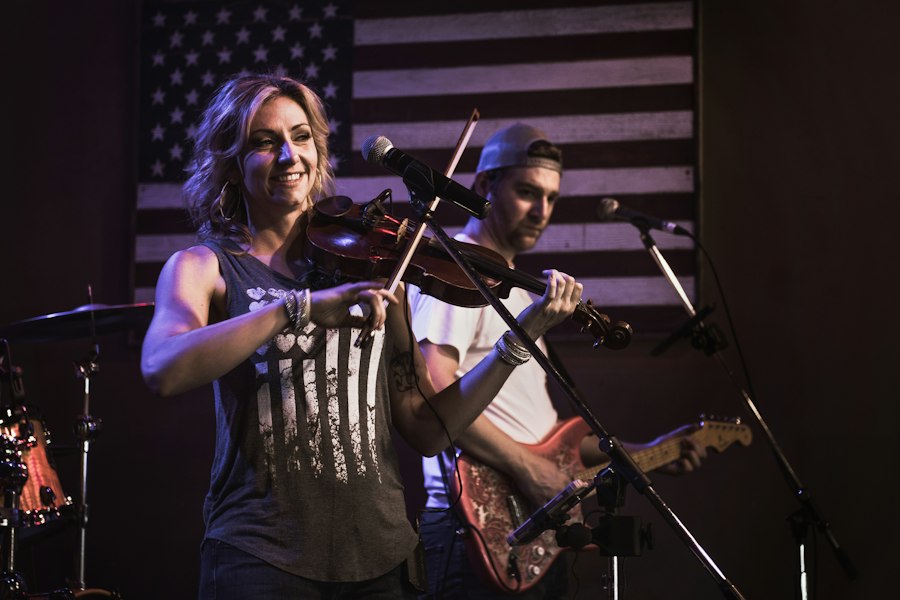
What’s truly remarkable about these genres is how they aren’t isolated islands. Instead, they’re more like intertwined rivers, constantly feeding into and shaping one another. The Blues birthed Jazz and R&B, which in turn fueled Rock and Roll. Country music shares common ancestors with Folk, and Gospel’s emotional intensity is a palpable force in Soul music. Even Hip-Hop, while innovative, samples and reinterprets elements from nearly all these predecessors.
This constant dialogue between genres is precisely why American music feels so alive and dynamic. It’s a testament to creativity, resilience, and the power of expression. It reflects a nation always evolving, always adapting, and always finding new ways to tell its story through sound.
Music as a Cultural Mirror
Each of these genres, in its own way, has held a mirror up to American society. They’ve reflected our triumphs and our tragedies, our unity and our divisions. They’ve given voice to those on the margins and celebrated the mainstream. They’ve sparked joy, fueled protests, and provided comfort in times of sorrow.
Understanding these sounds isn’t just about music history; it’s about understanding American history itself. It’s about recognizing the diverse voices and experiences that have woven together to create the complex, vibrant tapestry of our nation.
The Future of American Sound
While we’ve looked back, the conversation about American music is never truly over. New genres continue to emerge, blending old traditions with new technologies and contemporary experiences. But one thing is for sure: the foundational sounds we’ve discussed today will continue to echo, providing inspiration and context for whatever new musical adventures lie ahead. They are the undeniable backbone of America’s soundscape, and their impact will resonate for generations to come.
FAQs
What are some of the most popular American music genres?
Some of the most popular American music genres include rock, hip-hop, country, jazz, blues, and pop. Each genre has its own unique characteristics and has evolved over time, influencing and being influenced by various cultural movements.
How did jazz music originate in the United States?
Jazz music originated in the early 20th century in New Orleans, Louisiana. It developed from a blend of African American musical traditions, including blues and ragtime, along with European musical influences. Jazz is characterized by its swing and blue notes, call and response vocals, polyrhythms, and improvisation.
What is the significance of country music in American culture?
Country music is significant in American culture as it reflects the experiences and values of rural and working-class Americans. Originating in the Southern United States in the early 20th century, it often tells stories of love, heartbreak, and everyday life, resonating with a wide audience and influencing various other music genres.
How has hip-hop evolved since its inception?
Hip-hop originated in the 1970s in the Bronx, New York City, as a cultural movement encompassing music, dance, and art. It has evolved from its early days of DJing and rapping to include various subgenres, such as trap and conscious rap. Today, hip-hop is a dominant force in the music industry, influencing fashion, language, and social issues.
What role does blues music play in American music history?
Blues music plays a crucial role in American music history as it laid the foundation for many other genres, including rock and roll, jazz, and R&B. Originating in the African American communities of the Deep South in the late 19th century, blues music expresses themes of sorrow and resilience, reflecting the struggles and experiences of its creators.
About the Author