The American blues, a cornerstone of modern music, owes its profound influence to a cohort of extraordinary artists. These musicians didn’t just play notes; they wove stories of struggle, joy, and resilience into the very fabric of their sound, laying down the tracks for rock and roll, R&B, and countless other genres. If you’re wondering who truly built this musical empire, you’re in the right place. We’re going to dive into the legacies of some of the most impactful figures who shaped American blues into the powerhouse it became.
The Early Trailblazers: Setting the Foundation
The earliest blues artists, often playing in juke joints, cotton fields, and street corners, were pioneers. They distilled centuries of African American oral traditions, spirituals, and work songs into a new, raw, and deeply personal musical form. Without their initial spark, the genre wouldn’t have caught fire.
1. Robert Johnson: The Myth and the Music
It’s hard to talk about early American blues without immediately bringing up Robert Johnson. His life, steeped in mystery and the infamous “crossroads” legend, has become almost as iconic as his music. Born in 1911, Johnson’s recording career was brief, spanning just two sessions in 1936 and 1937, yielding a mere 29 songs. Yet, these recordings – like “Cross Road Blues,” “Sweet Home Chicago,” and “Terraplane Blues” – are foundational.
What makes Johnson so pivotal? His guitar work was revolutionary. He blended bass lines, chords, and lead melodies into a single, intricate tapestry, a style that left many contemporary guitarists scratching their heads. His vocal delivery, often a mournful howl or a confident swagger, conveyed deep emotional complexity. Johnson’s influence can be heard in literally generations of guitarists, from Eric Clapton and Keith Richards to countless contemporary artists. He proved the expressive power of a single man and a guitar, setting a high bar for solo blues performance.
2. Charley Patton: The Delta’s Groundbreaker
Considered by many to be the “Father of the Delta Blues,” Charley Patton, born around 1887, was a true original. He was a flamboyant showman, often playing his guitar behind his head or between his legs, long before Jimi Hendrix made it famous. Patton’s recordings from the late 1920s and early 1930s showcase a rough-hewn, powerful voice and a percussive guitar style that deeply influenced his peers.
Songs like “Pony Blues” and “High Water Everywhere” weren’t just tunes; they were sonic documents of life in the Mississippi Delta. He sang about floods, juke joint troubles, and the everyday struggles of African Americans in the South. Patton’s ability to command an audience, both live and on wax, and his distinctive approach to rhythm and storytelling, cemented his place as a primary architect of the Delta blues sound. His impact reached Muddy Waters, Howlin’ Wolf, and many other future stars who grew up listening to his records.
3. Son House: Raw Power and Spiritual Depth
Eddie James “Son” House Jr., born in 1902, brought an almost religious fervor to his blues. After a period as a preacher, he embraced the blues with a passion that was palpable in his powerful voice and raw, slide guitar playing. His early recordings in the late 1920s and early 1930s, such as “Death Letter Blues” and “Grinnin’ in Your Face,” are stark, intense, and deeply moving.
Son House wasn’t about elaborate fretwork; he was about delivering pure, unadulterated emotion. His bottleneck slide technique and percussive rhythm were incredibly influential, particularly on Muddy Waters. House’s story also includes a “rediscovery” during the folk revival of the 1960s, introducing his profound artistry to a new generation and further cementing his legendary status as a powerful voice of the original Delta blues.
American blues artists have long been celebrated for their profound influence on music and culture, weaving narratives of struggle, resilience, and hope through their powerful melodies. A related article that delves into the spiritual journey of music is available at this link: An Electric Journey of the Spirit: Reviewing Maestro Sersea’s God, Faith, Love, and Thankfulness Vol. 1. This piece explores the intersection of faith and music, echoing the themes often found in the works of legendary blues musicians.
Electrifying the Sound: The Chicago Blues Migration
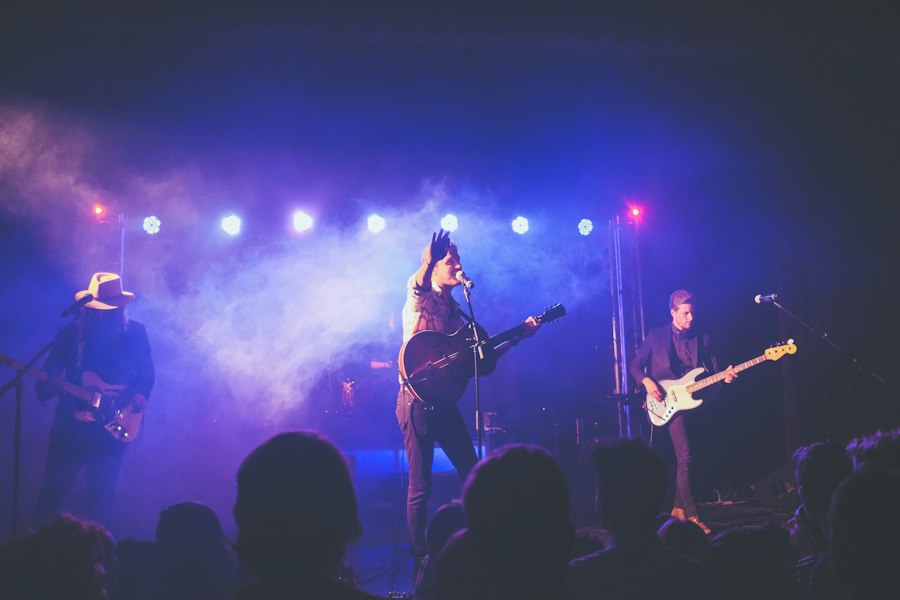
As the Great Migration brought millions of African Americans from the rural South to Northern industrial cities like Chicago, the blues evolved. The acoustic laments of the Delta picked up electricity, amplification, and a harder edge, perfectly suiting the bustling urban environment.
4. Muddy Waters: King of Chicago Blues
McKinley Morganfield, known universally as Muddy Waters, is arguably the most important figure in the electrification of the American blues. Born in 1913 in Mississippi, he honed his craft in the Delta before moving to Chicago in 1943. It was there that his acoustic blues met the electric guitar, and the sound of modern blues was born.
Waters’ Chess Records recordings, starting in the late 1940s, are legendary. Hits like “Mannish Boy,” “Hoochie Coochie Man,” and “Rollin’ Stone” showcased his deep, resonant voice, his masterful slide guitar work, and a powerful, driving rhythm section that laid the blueprint for countless rock bands. He didn’t just play the blues; he was the blues. Muddy Waters’ influence is practically immeasurable, directly inspiring The Rolling Stones (who named themselves after his song), Eric Clapton, Led Zeppelin, and virtually every blues-rock band that followed. His presence on the Chicago scene made it the epicenter of urban blues.
5. Howlin’ Wolf: The Unforgettable Voice
Chester Arthur Burnett, better known as Howlin’ Wolf, possessed one of the most distinctive and formidable voices in music history. Born in 1910 in Mississippi, he also migrated to Chicago, signing with Chess Records in the early 1950s. His powerful growl and imposing stage presence were utterly unique.
Wolf’s recordings, including “Smokestack Lightnin’,” “Wang Dang Doodle,” and “Spoonful,” are characterized by raw intensity and a primal energy. His partnership with guitarist Hubert Sumlin was particularly fruitful, creating some of the most iconic guitar riffs in blues history. Howlin’ Wolf was a force of nature, embodying the raw power and emotional depth of the blues. His influence on rock music, especially hard rock and heavy metal, is profound, with artists from The Rolling Stones to The Doors drawing inspiration from his commanding delivery and unique vocalizations.
6. B.B. King: The “King of the Blues”
Riley B. King, known affectionately as B.B. King, became perhaps the most globally recognized face of the blues. Born in 1925 in Mississippi, King developed a unique and sophisticated guitar style that focused on elegant, stinging single-note solos rather than rough-and-tumble chord work or heavy slide. His beloved guitar, “Lucille,” was as famous as he was.
King’s career spanned decades, marked by a tireless touring schedule and a string of hits like “The Thrill Is Gone,” “Every Day I Have the Blues,” and “Sweet Little Angel.” He refined the blues, making it accessible to a broader audience without ever compromising its soulful core. His influence on guitarists across genres – from Eric Clapton and Jimi Hendrix to John Mayer – is immense. B.B. King wasn’t just a blues musician; he was an ambassador, introducing millions around the world to the beauty and emotional depth of American blues.
The Post-War Innovators: Expanding the Sound
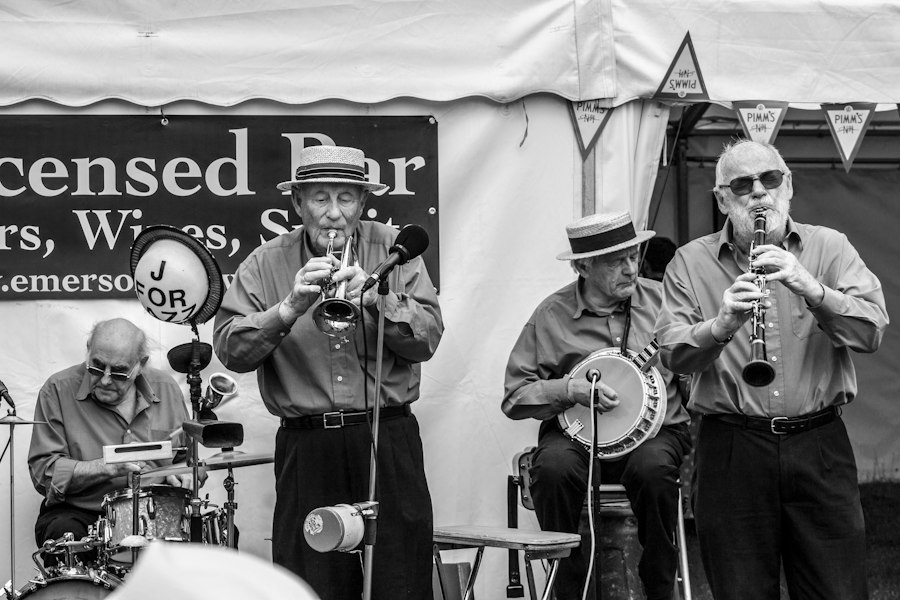
Even as the Chicago blues sound solidified, other artists continued to push boundaries, incorporating new elements and ensuring the blues remained a vibrant and evolving art form. They bridged the gap between the raw power of early electric blues and the more sophisticated sounds that would eventually emerge.
7. John Lee Hooker: The Boogie Man
John Lee Hooker, born around 1912, carved out a distinct niche in the blues landscape with his hypnotic, droning boogie rhythm. Hailing from Mississippi, he developed a unique, often irregular, rhythmic approach that felt both ancient and utterly modern. After moving to Detroit, he began recording in the late 1940s, with “Boogie Chillen'” becoming an instant hit.
Hooker’s style was stripped-down and raw, often featuring just his voice, guitar, and the insistent shuffle of his foot. Songs like “Boom Boom,” “One Bourbon, One Scotch, One Beer,” and “Crawling King Snake” showcased his distinctive, often spoken-word vocal delivery and his ability to conjure a mood with minimal instrumentation. His influence was widespread, particularly on British blues-rock bands who adored his primal sound. John Lee Hooker’s “boogie” became a fundamental rhythm in rock and roll, proving that simplicity could be profoundly powerful.
8. Elmore James: The Slide Guitar Virtuoso
Elmore James, born in 1918, was the undisputed master of electric slide guitar. His signature opening riff, borrowed from Robert Johnson’s “I Believe I’ll Dust My Broom,” became one of the most recognizable sounds in blues history. James refined the slide technique, bringing a searing, almost crying quality to his guitar playing.
His recordings, such as “Dust My Broom,” “Shake Your Moneymaker,” and “The Sky Is Crying,” are full of raw energy and emotive power. James’s guitar work was loud, aggressive, and incredibly impactful, providing a direct sonic link between the Delta traditions and the emerging rock and roll sound. Guitarists like Duane Allman, George Harrison, and Jeremy Spencer (of Fleetwood Mac) drew heavily from his pioneering slide technique, ensuring his legacy as a vital innovator of the electric blues.
9. Albert King: The Southpaw Powerhouse
Albert Nelson, known as Albert King, was one of the “Three Kings of the Blues Guitar” (along with B.B. and Freddie). Born in 1923, Albert King was a left-handed guitarist who played a right-handed Gibson Flying V (named “Lucy”) upside down, giving his bending technique a unique, powerful push-pull quality.
King’s sound was instantly identifiable: sharp, stinging, and incredibly forceful, yet full of nuance. His recordings for Stax Records in the 1960s, including “Born Under a Bad Sign,” “Crosscut Saw,” and “Oh Pretty Woman,” became classics. He profoundly influenced a generation of rock and blues guitarists, most notably Eric Clapton, Stevie Ray Vaughan, and Jimi Hendrix. Albert King’s minimalist but immensely expressive approach to lead guitar established a modern blues vocabulary that continues to resonate today.
Beyond the Mainstream: Diverse Styles and Enduring Legacies
While certain styles dominated, the blues has always been a broad church. Other artists, working in different regional traditions or with unique approaches, also left indelible marks on the genre’s legacy, proving its versatility and depth.
10. Lightnin’ Hopkins: The Texas Storyteller
Sam John Hopkins, known as Lightnin’ Hopkins, was a master of the Texas blues tradition. Born in 1912, Hopkins had an incredibly prolific recording career, spanning over 50 years and hundreds of albums. His style was relaxed, conversational, and deeply personal, often improvising lyrics on the spot to tell stories of his life and observations.
Hopkins’ finger-picking guitar style combined bass lines, rhythmic chords, and melodic fills, creating a full sound that needed little accompaniment. Songs like “Mojo Hand,” “Katie Mae,” and “Tim Moore’s Farm” are perfect examples of his laid-back yet powerful delivery. He remained true to his acoustic roots for much of his career, a stark contrast to the electrified Chicago sound. Lightnin’ Hopkins’ enduring appeal lies in his authenticity and his ability to connect with listeners through his honest, often witty, narratives, making him a beloved figure in the American blues pantheon.
11. T-Bone Walker: The Electric Guitar Pioneer
Aaron Thibeaux Walker, better known as T-Bone Walker, was a true innovator of the electric guitar. Born in 1910, Walker brought the instrument out of the rhythm section and into the spotlight as a lead voice, often playing single-note runs and solos that were unheard of in the 1940s. He was also a flamboyant performer, known for playing guitar behind his head and doing splits on stage.
His landmark recording, “Call It Stormy Monday (But Tuesday Is Just as Bad),” became a blues standard and a showcase for his sophisticated guitar work. Songs like “Bobby Sox Blues” and “T-Bone Shuffle” further cemented his status. T-Bone Walker’s clean tone, jazz-influenced phrasing, and showmanship directly influenced B.B. King, Chuck Berry, and virtually every electric blues and rock guitarist who wanted to make the guitar sing. He essentially invented the role of the blues guitar hero.
American blues artists have profoundly influenced the music landscape, shaping genres and inspiring countless musicians around the world. Their rich history and emotional depth are explored in various articles, including one that delves into the cultural significance of blues music in contemporary society. For an insightful read on this topic, check out this related article that highlights the enduring legacy of blues artists and their impact on modern music.
The Modern Era and Continued Influence
| Artist | Birth Year | Primary Instrument | Notable Song | Active Years |
|---|---|---|---|---|
| Muddy Waters | 1913 | Guitar | Hoochie Coochie Man | 1941–1983 |
| B.B. King | 1925 | Guitar | The Thrill Is Gone | 1943–2015 |
| Howlin’ Wolf | 1910 | Vocals, Harmonica | Smokestack Lightning | 1930s–1976 |
| Robert Johnson | 1911 | Guitar | Cross Road Blues | 1936–1938 |
| Etta James | 1938 | Vocals | I’d Rather Go Blind | 1950–2012 |
The blues didn’t stop evolving in the mid-20th century. Artists continued to innovate, keeping the genre fresh while honoring its roots. The impact of these foundational artists reverberates strongly today, shaping contemporary music in ways both obvious and subtle. Their stories and sounds are essential for understanding the lineage of American popular music.
12. Freddie King: The Texas Cannonball
Freddie King, the third of the “Three Kings of Blues Guitar,” brought a raw, powerful energy to the blues. Born in 1934, he was a key figure in the Chicago blues scene but developed a unique, almost rock-and-roll sensibility in his playing. He was known for his aggressive attack, percussive tone, and instrumental prowess.
His instrumental hits like “Hide Away” and “San-Ho-Zay” showcased his incredible technique and became mandatory learning pieces for aspiring blues guitarists. Vocal tracks like “Have You Ever Loved a Woman” and “I’m Torn Down” demonstrated his strong, soulful singing. Freddie King’s influence on British rock guitarists like Eric Clapton, Peter Green, and Jeff Beck is undeniable, as they studied and emulated his dynamic style. He bridged the gap between traditional blues and more rock-oriented sounds, proving the genre’s adaptability and enduring appeal. His contributions solidified the Texas blues sound for future generations.
FAQs
Who are some of the most influential American blues artists?
Some of the most influential American blues artists include B.B. King, Muddy Waters, Robert Johnson, Howlin’ Wolf, and Etta James. These artists have significantly shaped the genre and have inspired countless musicians across various styles.
What are the main characteristics of American blues music?
American blues music is characterized by its use of specific chord progressions, particularly the twelve-bar blues, expressive lyrics that often convey themes of hardship and emotion, and a distinctive call-and-response pattern. The genre often incorporates elements of improvisation and features instruments like the guitar, harmonica, and piano.
When did the blues genre originate in America?
The blues genre originated in the late 19th century, primarily among African American communities in the Deep South of the United States. It evolved from earlier African musical traditions, spirituals, and folk songs, with its roots deeply embedded in the experiences of African Americans during and after slavery.
How has American blues influenced other music genres?
American blues has had a profound influence on various music genres, including rock and roll, jazz, rhythm and blues, and country music. Many rock musicians, such as Eric Clapton and The Rolling Stones, have cited blues artists as major influences on their work, incorporating blues elements into their own music.
What role did the Great Migration play in the development of blues music?
The Great Migration, which saw millions of African Americans move from the rural South to urban areas in the North between the 1910s and 1970s, played a crucial role in the development of blues music. This migration led to the blending of different musical styles and cultures, helping to popularize the blues in cities like Chicago and New York, where it evolved into various subgenres.
About the Author